
By Lily Dennis
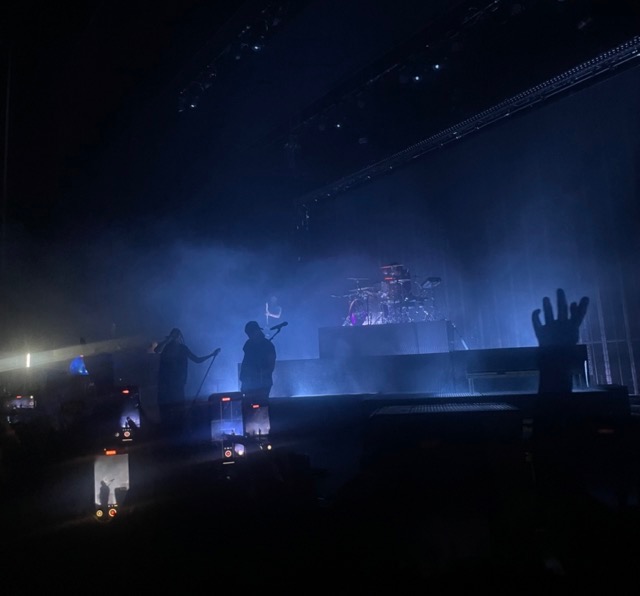
Chase Atlantic performing in Phoenix, AZ at Comerica Theatre on November 16, 2024 (Lily Dennis/Radio 1190)
After the global lockdown due to COVID-19 was lifted, the live music scene was said to have experienced a “revival” of sorts, where music festivals everywhere were experiencing a boom in viewer demand. In other words, as NPR explains, “when the crisis subsided, many consumers were flush with cash, and pent-up demand for social activities seemed to help many festivals make a roaring comeback.” As with many other things; however, that nearly instantaneous revival didn’t last forever.
During the course of the last couple of years, music festival culture has been experiencing a drought of sorts. Throughout the U.S., there has been a recent onslaught of festival cancellations, decreasing ticket sales, and an overall decline in viewer interest. Across the nation, both the futures of the smaller, more local music festivals, as well as the larger ones, are facing imminent threats of financial turbulence, unclear hiatuses and permanent closures.
On a local scale, one that is much closer to home, many ongoing festivals throughout the state of Colorado have recently shut their doors, closing their stages for the last time. Of these include festivals such as the Denver Underground Music Showcase, Arise Music Festival, and Sonic Bloom, to name a few. Denver Underground Music Showcase shut its gates indefinitely earlier this summer after 25 years of celebrating Colorado’s independent music culture, with Arise also closing down their festival in Pueblo County after 12. As well as this, Sonic Bloom, a relatively new music festival in Spanish Peaks County, announced a hiatus last year, closing the festival for the foreseeable future.
Although much of this decline is known to be happening regionally, even the more well-known festivals in the Northern Hemisphere like Coachella and Burning Man are said to be experiencing difficulties with ticket sales, with Burning Man failing to sell out their tickets for the first time in over a decade, according to an interview facilitated by North County Public Radio, or NCPR. In the same sense, NPR reports Coachella, one of the most popular music festivals in the United States, to have seen “a 15% decline in ticket sales this year compared to last.”
This phenomenon doesn’t just stop at the United States border, either. In the same report, NPR found that over 60 festival cancellations took place in the United Kingdom alone. The article also showed a similar scenario happening last year with music festivals taking place in Australia. With so many cancellations happening within the same timeframe, one would wonder if there was a distinctive, underlying reason as to why there is such a massive shift away from festival culture.
Much of the reasoning behind the large-scale festival death lies in surging production costs in combination with soaring ticket prices. Many potential customers just aren’t willing and able to spend incredible amounts of money on attending festivals, and a lot of the festival producers can’t make up for these costs. In fact, a 2024 FinanceBuzz report showed that in the span of 10 years, or from 2014 up until last year, average general admission festival ticket prices have risen 55%, with the actual inflation percentage within that time frame having risen 32%. For a different reference point, the average ticket to a music festival purchased this year can cost anywhere from $200 to $600, according to Seat Geek, a ticketing search engine and marketplace.
Although it may not seem like much for a ticket, that price also doesn’t account for the other expenses required for attending, such as food, lodging, and travel. Festival goers simply aren’t prepared to spend the amount of money needed to attend a music festival, and in turn, festivals aren’t prepared to cover these missing amounts needed to cover the costs of music production.