By Madison Shaw
In 1975, a college baseball player named Joe Maddon found a bar just off campus and became a regular.
“We found it pretty fast,” Maddon said. “And once we found it, we were regulars.”
That summer, Maddon was playing for the Boulder Collegians. Decades later, he would manage the Chicago Cubs to a World Series championship in 2016. But in 1975 and ’76, he was a college athlete living on The Hill, running around Boulder with his teammates and closing the Dark Horse as often as he could.
Back then, well drinks cost 69 cents.
Every night around 1:45 a.m., Elton John’s “Funeral for a Friend” blasted through the speakers before closing. On the stage, a barber’s chair sat under the lights. Maddon remembers one teammate, Manny Crespo, occasionally climbing into it and falling asleep with music roaring through the room.
“I don’t even know what the decibels were,” Maddon said. “It would rival a jet plane taking off. And he’d just be asleep. That always made my night.”
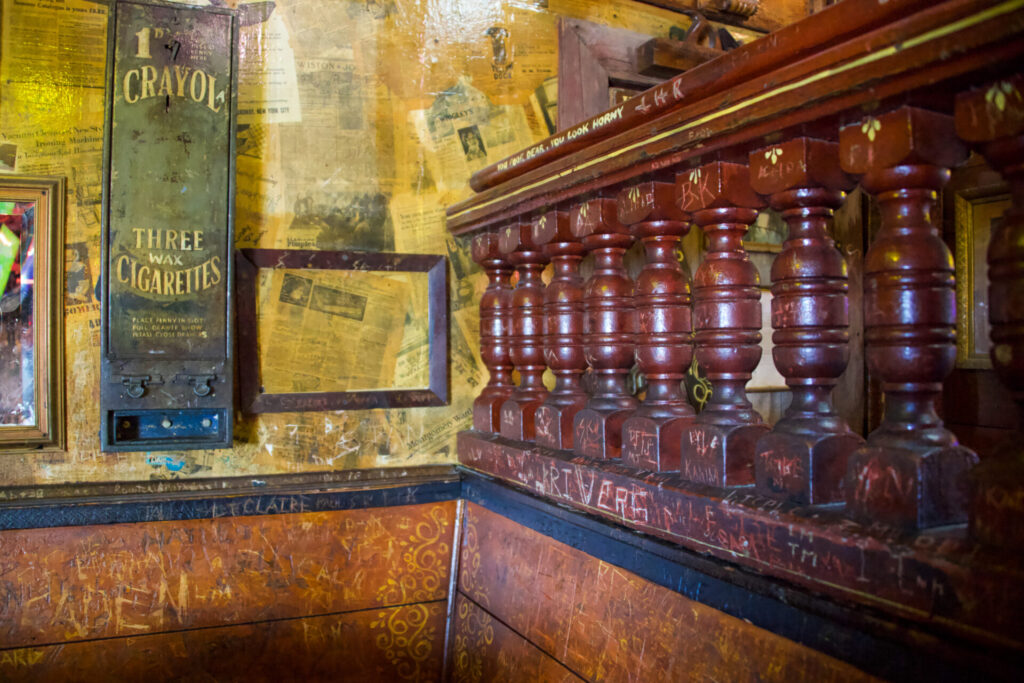
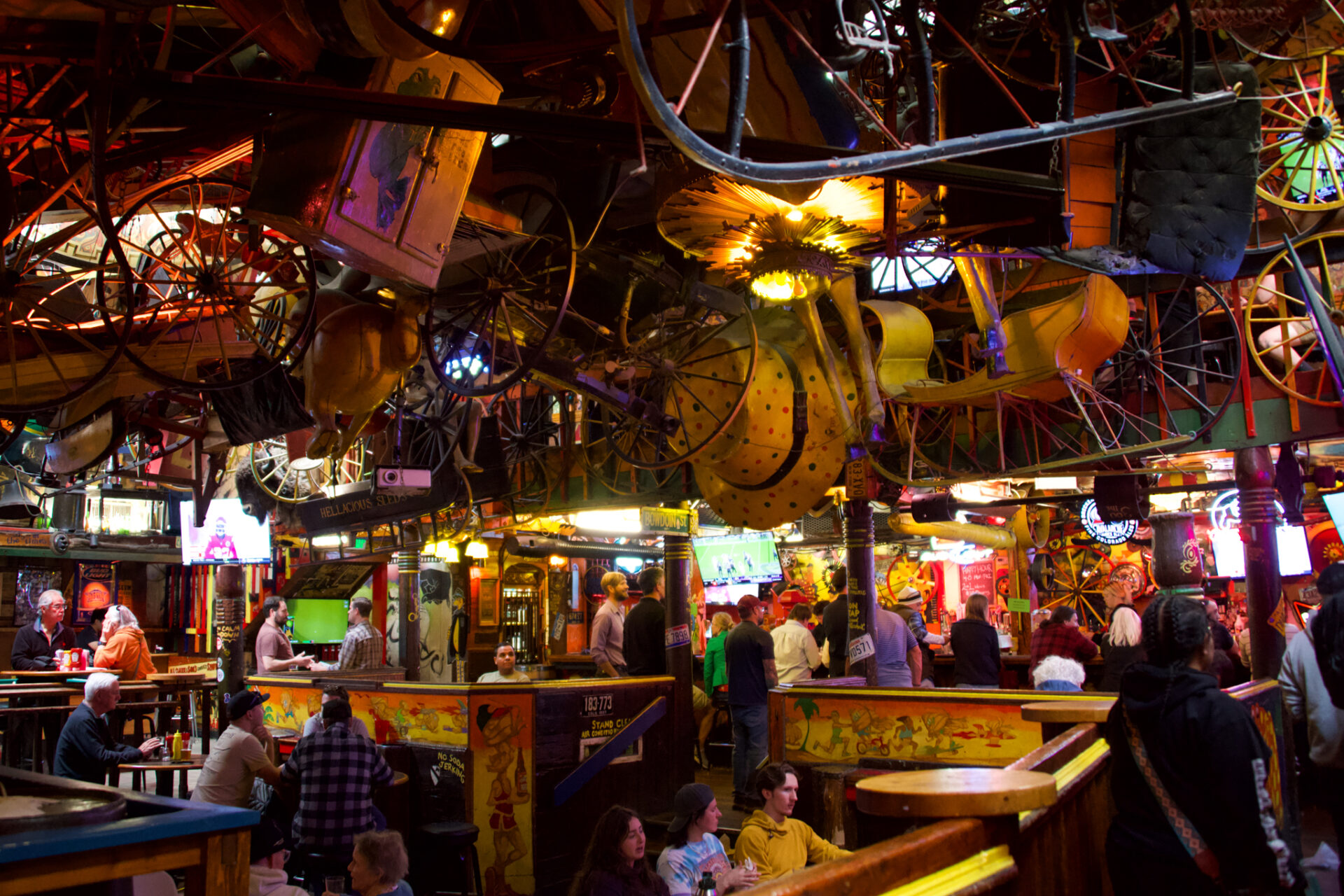
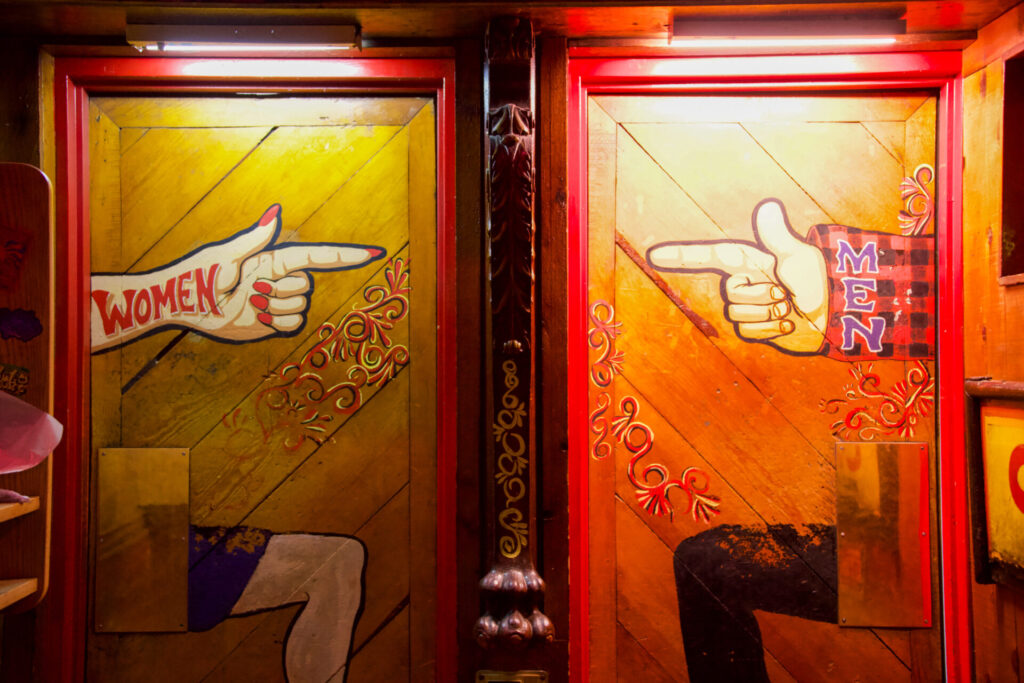
The details stuck with him. The layered walls. The objects hanging from the ceiling. The deliberately confusing restroom signs sending people in the wrong direction.
“It was pure genius,” Maddon said of the arrows. “Especially if you had a couple too many.”
More than anything, he remembers the feeling.
“It was the place to be,” he said.
Others remember it the same way.
Bruce “Biff” Warren, a Niwot-based attorney who frequented the Dark Horse in the late 1970s, remembers the same draw. The bar became a destination for him, a place he brought out-of-town friends to show them Boulder.
On one visit, a University of Nebraska Law classmate returned to their table flustered after walking into the wrong restroom and arguing with a woman inside.
“Why didn’t you tell me about the doors?” he had shouted.
Warren and his friends just laughed.
Moments like that, Warren said, were part of the bar’s charm. A place where the oddities on the walls and ceiling became part of the experience.
Peggy Graham first walked into the Dark Horse in the fall of 1976, shortly after graduating from Niwot High School and starting engineering school at the University of Colorado.
Even then, she said, the place felt unlike anything else in Boulder.
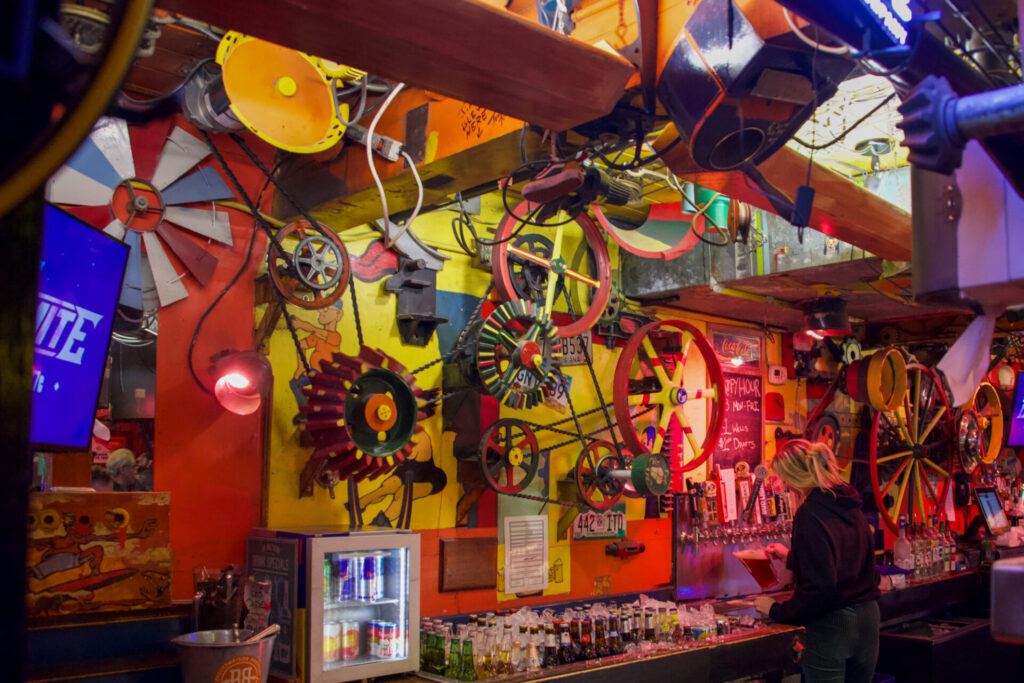
“It was so unique, so special,” Graham said.
The bar quickly became part of her early college routine. She would go with her boyfriend at the time and meet friends there for burgers.
“They had the best burgers,” she said.
Looking back now, Graham remembers the energy of the place more than anything else.
“When you’re young, your whole life is ahead of you,” she said. “It was exciting. It was youth and happiness and fun.”
Half a century later, she still describes the Dark Horse with one word.
“Revolutionary.”
The bar’s pull did not fade with time.
Eric Pelloni, associate director of BuffsVision at CU, first started going to the Dark Horse in the early 2000s while working with the athletics broadcast crew.
“When we first started streaming our games, that was the spot to go after a game,” Pelloni said.
For many, the bar became part of the routine after CU sporting events.
“It didn’t matter whether you were old or young,” Pelloni said. “You’d walk in, and there’d be college kids, and there’d be older people.”
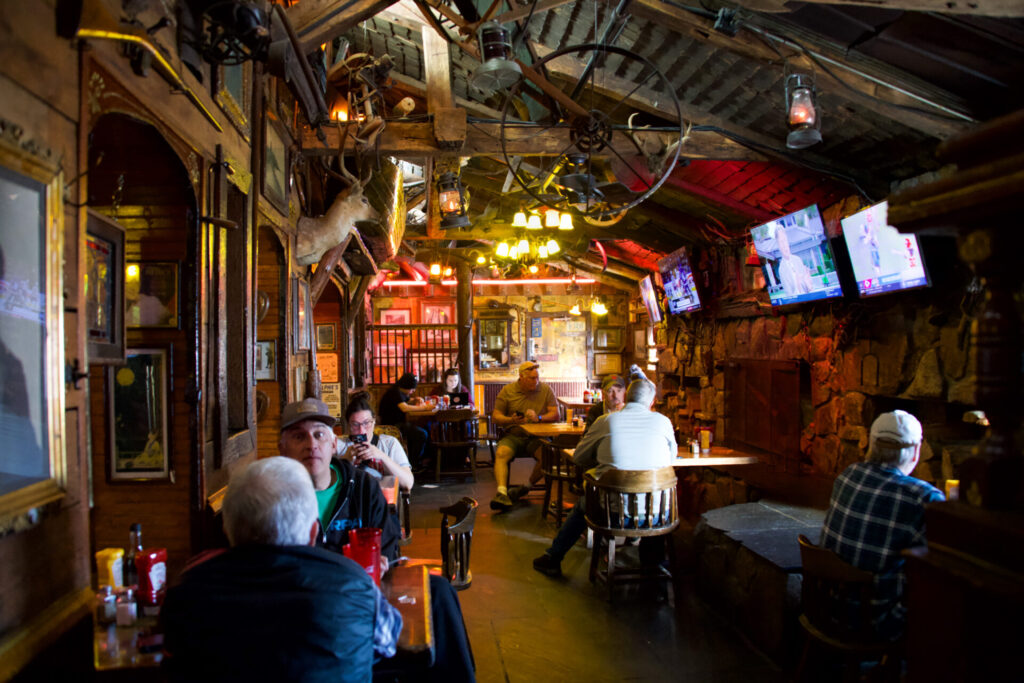
One night after the CU athletics department’s annual CUSPY Awards, Pelloni and several coworkers stopped by the Dark Horse with his infant son asleep in a carrier in front of the fireplace beside their table.
A staff member approached their table.
“They said, ‘Just so you know, at 10 o’clock it’s 21 and over,’” Pelloni said.
The group assumed the employee was referring to the youngest member of their party. They were wrong.
“‘No, him,’ they said. And they pointed at the sleeping baby,” Pelloni said.
The group packed up and headed out.
“We joke that my son got kicked out of the Dark Horse, and now he won’t even get the chance to come back when he’s old enough,” he said. “Places with character don’t seem to exist anymore.”
With time, the Dark Horse became something bigger than a college hangout. People returned to the same rooms and the same strange details years later.
By the mid-2000s, a new generation was discovering the Dark Horse.
Hannah “Lou” Tuten first started going to the bar in the mid-2000s after her family moved to Boulder. She was about 11 years old. Her parents would bring her along for lunch, and she spent most of the time playing pool.
One afternoon, while sitting in a booth waiting for their parents, a friend decided to test her patience.
“I looked at him and said, ‘You wouldn’t,’” Tuten said. “And then he just squirted me in the face with mustard.”
Now 32, Tuten has spent much of her life returning to the bar. For her, the appeal has always been the feeling that the place carries the memories of the people who pass through it.
“You can feel the nostalgia,” she said. “So many people have had so many good times here. It holds those memories.”
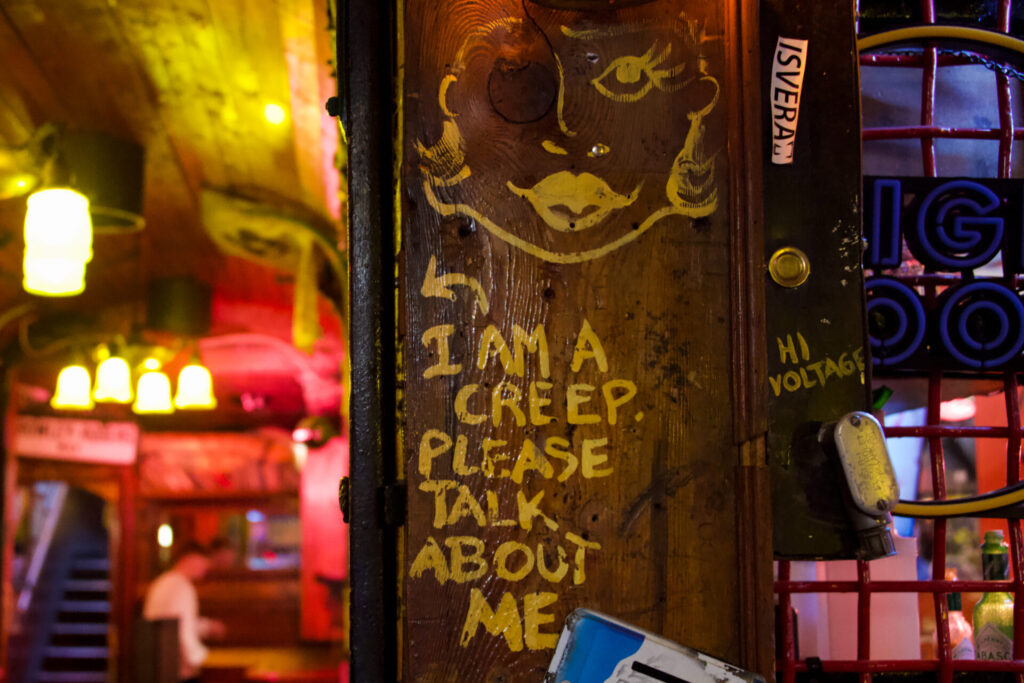
Years from now, she believes the bar will still live on through the stories people tell about it.
“People will talk about this place forever,” she said.
Years later, the same rooms were still drawing new visitors.
Scott Barto, a 2020 CU graduate and former marching band drumline member, said the bar was a tradition for the university’s marching band.
“Instead of our last drum line sectional of the season, we would come here to celebrate a successful marching band season,” Barto said.
He said the tradition marked the end of months of rehearsals and performances, a way for the drumline to finish the season together.
Kevin Sullivan, also a 2020 CU graduate and tuba player in the band, said the Dark Horse was woven into campus life beyond marching season.
“It was the spot,” Sullivan said. “It’s where everyone went after sporting events. Just random days of the week.”
Barto found much of the pull he felt was the room itself.
“I’m a pretty big nerd,” he said. “I remember the first time coming in here feeling that same sort of cluttered but organized Harry Potter vibe, like the Three Broomsticks or something.”
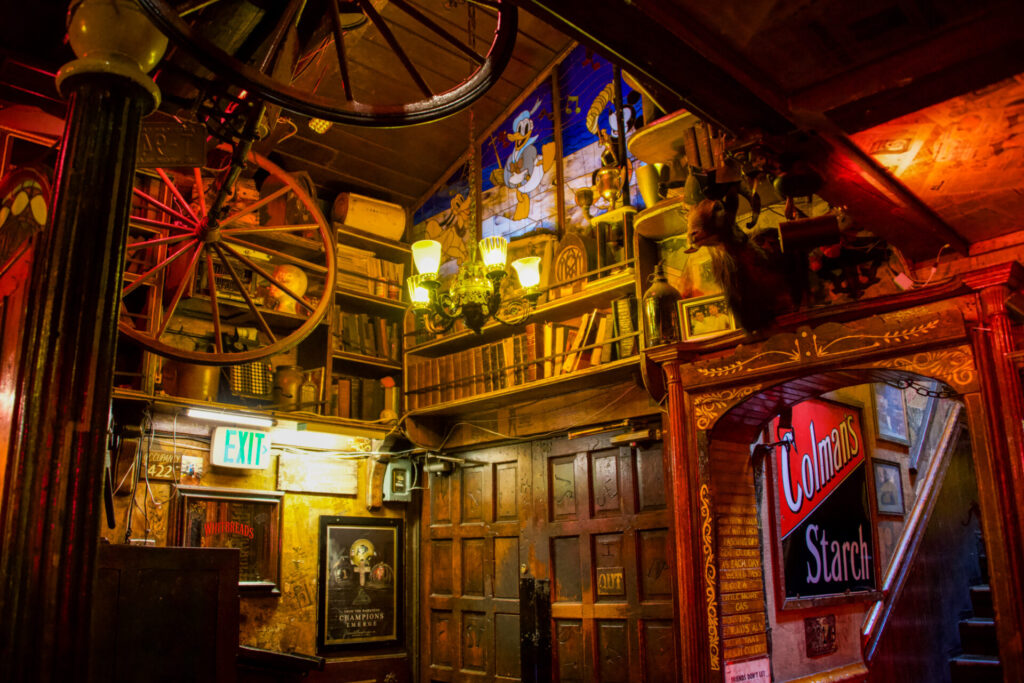
Sullivan, who now lives in Oregon, made his way back to Boulder the last weekend of February to visit Barto and to walk into the Dark Horse one more time before it closes.
Inside, Barto said, it felt unchanged.
“It’s exactly the way I remember it,” he said. “It’s crowded. Everyone’s happy and having a good time.”
Years from now, he said, the Dark Horse will still be easy to describe.
“Imagine the most chaotic, busy, overstimulating place,” Barto said. “But not in a way that overwhelms you. It’s very comforting and very welcoming.”
Over the decades, the faces changed. Students graduated. Teammates left town. Drink prices rose. But much of the room remained stubbornly intact.
Sleds hang from the ceiling. Names are carved into the wooden booths. The loudspeaker calls out orders by name at a deafening level.
With the bar set to close Saturday, many of the routines are still in place.
On March 14, the Dark Horse will celebrate its 51st anniversary and serve its final drinks. The building will be demolished as part of the Williams Village II redevelopment, and there are no immediate plans for relocation.
For now, though, the rituals continue.
Orders are still shouted across the bar. Someone new still walks in, looks up at the walls for the first time, and ends up in the wrong bathroom.
A dart thuds into the board on the stage. Around a nearby pool table, a group of friends leans over their shots. In the dance pit, people sing at the top of their lungs.
In the corner, two guys study the arcade games. One booth holds a group of girls squeezed into one too many seats. Upstairs, others gather around bar tables, looking down at the room below. In a back room with high ceilings, more people play pool and darts beside a third bar.
The same rooms fill with the noise and laughter that have echoed there for decades.
For 51 years, the Dark Horse was the place to be.
For a little while longer, it still is.